Dirt bike speed depends on much more than engine size. A 50cc beginner bike, a 125cc trail bike, a 250cc motocross bike and a 500cc enduro bike can all feel completely different because they are built for different riders, terrain and gearing.
On average, a dirt bike can reach anywhere from about 20 mph on small youth models to 100 mph or more on large, road-geared enduro or dual-sport setups. Most common trail and motocross bikes sit somewhere between 40 and 90 mph in normal conditions.
Engine size helps, but it does not tell the whole story. A smaller two-stroke race bike can feel sharper than a larger four-stroke trail bike. A 450cc motocross bike may accelerate harder than a 500cc enduro bike, while the 500cc bike may have wider gearing and a higher practical top speed on open terrain.
Safety gear also matters. Riders should use a helmet, boots, gloves, knee protection, eye protection and long pants before riding on tracks, trails or private land. Speed is only useful when the rider can control the bike and stop it safely.
For riders looking at faster classes, the biggest jump usually starts around 250cc to 450cc. Those bikes are built for experienced riders, not casual first rides. A beginner should choose a bike by size, control and confidence before worrying about top speed.
Engine Sizes And Typical Top Speeds
| No. | Engine Size / Type | Typical Top Speed | Best For | What To Know Before Riding |
|---|---|---|---|---|
| 1 | 50cc Dirt Bike | 20 to 40 mph | Young riders, first-time practice, small tracks | Light, simple and easier to control, but many models are restricted for safety. |
| 2 | 65cc Dirt Bike | 45 to 55 mph on many race-style models | Youth riders moving up from 50cc bikes | Much quicker than a 50cc bike, especially in two-stroke form. |
| 3 | 80cc / 85cc Dirt Bike | 50 to 65 mph | Youth racers and smaller experienced riders | Fast enough to require proper clutch, braking and cornering control. |
| 4 | 100cc Dirt Bike | 45 to 60 mph on many models | Intermediate youth riders and small trail bikes | Some race-style versions can run higher, but most trail setups stay more moderate. |
| 5 | 110cc Dirt Bike | 30 to 45 mph on most models | Casual riding, pit bikes and smaller beginners | Good for learning control, but not built like a full-size race bike. |
| 6 | 125cc Dirt Bike | 45 to 70 mph depending on engine type | Teen riders, lighter adults, trail practice and entry racing | Two-stroke 125cc bikes are usually much quicker than four-stroke trail models. |
| 7 | 125cc 4-Stroke | 45 to 55 mph on many trail bikes | Beginners, trail riding and learning clutch control | Smoother power delivery makes it easier to manage than many two-stroke bikes. |
| 8 | 150cc Dirt Bike | 45 to 60 mph | Trail riders ready for more pull | Speed depends heavily on gearing, rider weight and terrain. |
| 9 | 200cc Dirt Bike | 55 to 70 mph | Trail riders who want more torque | Usually better for climbing and mixed terrain than chasing top speed. |
| 10 | 250cc Dirt Bike | 70 to 85 mph on many stock setups | Experienced trail riders and motocross riders | Fast enough for serious riding, but still more manageable than bigger race bikes. |
| 11 | 400cc Dirt Bike | 75 to 90 mph depending on setup | Experienced off-road riders | More displacement can mean more torque, but gearing still controls top speed. |
| 12 | 450cc Dirt Bike | Around 80 to 95 mph on many stock motocross setups | Advanced riders, motocross, open trails | Built more for acceleration, jumps and track control than pure top speed. |
| 13 | 500cc Dirt Bike / Enduro | Around 90 to 105 mph depending on gearing | Very experienced riders, open terrain, enduro and dual-sport use | Can be faster than a 450cc bike on open ground, but model and gearing decide the result. |
Use these numbers as practical estimates, not fixed limits. Tire choice, sprocket setup, rider weight, engine condition, terrain, wind and surface grip can all change how fast a dirt bike actually goes.
1. 50cc – 20 To 40mph
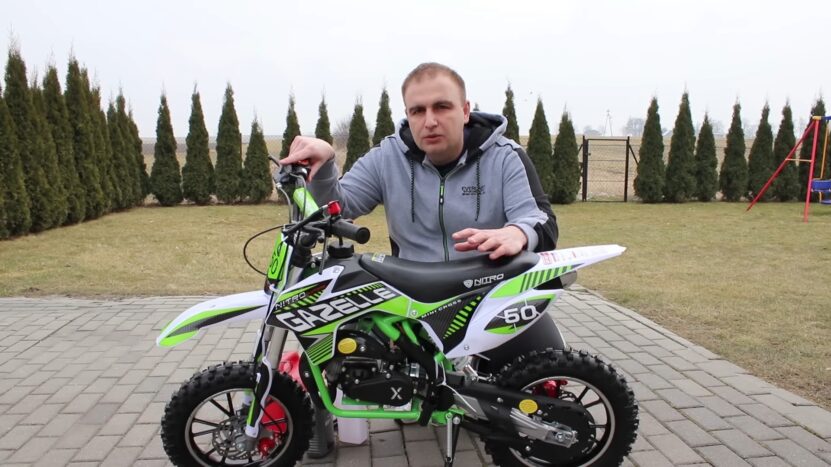
A 50cc dirt bike is usually the first step into dirt riding. Most models are built for young riders, small tracks and basic throttle control, not high speed. Depending on the bike, rider weight, gearing and any throttle restriction, a 50cc dirt bike may run from about 20 to 40 mph.
The lower end of that range is common on beginner-friendly models. Race-focused 50cc bikes can feel much quicker because they are lighter, sharper and built for closed-course riding.
A 50cc bike can be a useful choice for kids and teens ride the bike who are learning balance, braking and basic riding habits. The smaller engine gives the rider more time to react, which is exactly what a new rider needs.
A 50cc bike is slower because the engine makes less power and torque than larger models. Depending on the brand and tune, output can range from very mild beginner power to a more aggressive youth race setup. That gap is why a parent should compare actual model specs, not just the “50cc” label.
Less power can be useful at this level. A young rider who can start, stop, turn and brake safely on a 50cc bike will usually progress faster than one placed too early on a bike that is too tall or too quick.
2. 65cc – 45 To 55mph
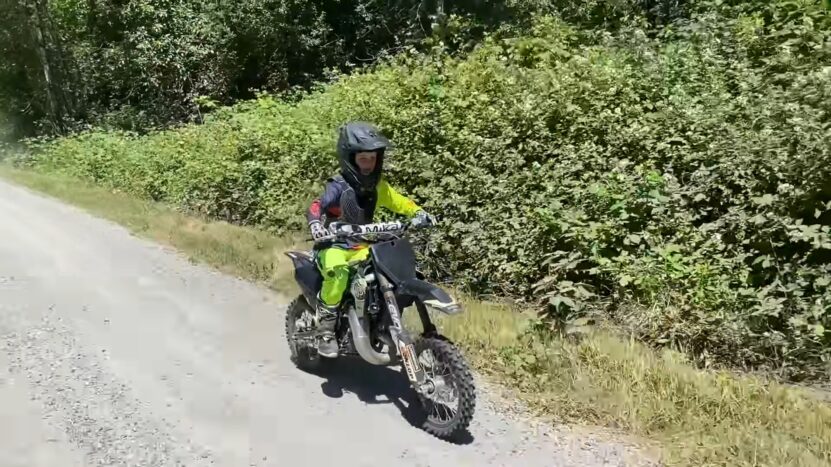
A 65cc dirt bike is a noticeable step up from a 50cc model. Many 65cc bikes are two-stroke youth race bikes, and a healthy race-style model can reach around 45 to 55 mph in the right conditions.
That does not mean every 65cc rider should be going that fast. The real value of a 65cc bike is the way it teaches clutch use, shifting, braking and body position at a more serious level. The speed is there, but control has to come first.
Acceleration also changes in this class. A 65cc bike can pick up speed quickly for its size, especially with a lighter rider. That makes throttle control and corner entry more important than they were on a restricted 50cc bike.
A 65cc model is best for a young rider who has already learned basic handling and is ready for a proper step toward racing or faster trail riding. It is not just a slightly bigger 50cc bike. It asks more from the rider.
Speed is only one part of the ride. The main challenge is learning how to use the clutch, stay balanced and handle the bike when traction changes. That is where a 65cc bike can teach skills that carry into larger classes and maneuverability that is hard to beat.
3. 80cc / 85cc – 50 To 65mph
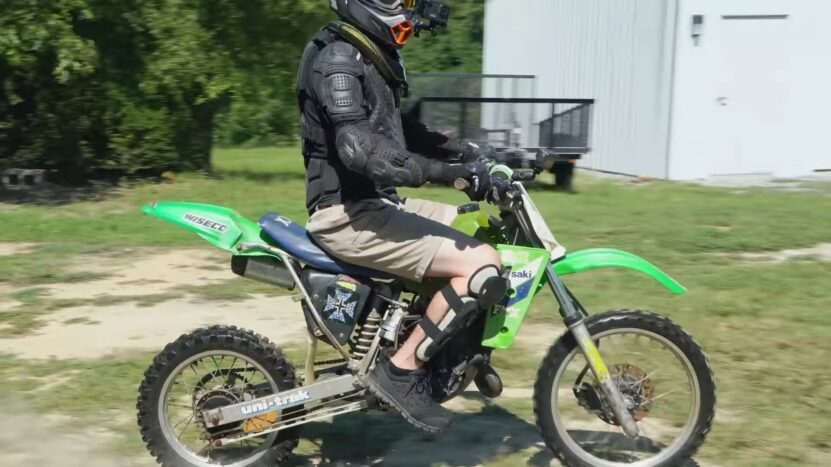
An 80cc or 85cc dirt bike starts moving into serious youth race territory. Many bikes in this range can run past 50 mph, and some can reach the low 60s with the right gearing, rider and surface.
The engine type matters here. A two-stroke 85cc race bike can feel sharp and quick, while a milder four-stroke trail bike with a similar displacement will usually feel calmer. That is why cc numbers alone can be misleading.
Weight also plays a role. A smaller rider on a light two-stroke bike may see better acceleration than a heavier rider on the same machine. Tires, sprockets and upgraded tires can also change how the bike feels on dirt, gravel or packed track surfaces.
This class is best for riders who already understand braking, clutch control and body position. A fast 85cc bike can be a lot of fun, but it is not a casual toy.
4. 100cc – 45 To 60mph
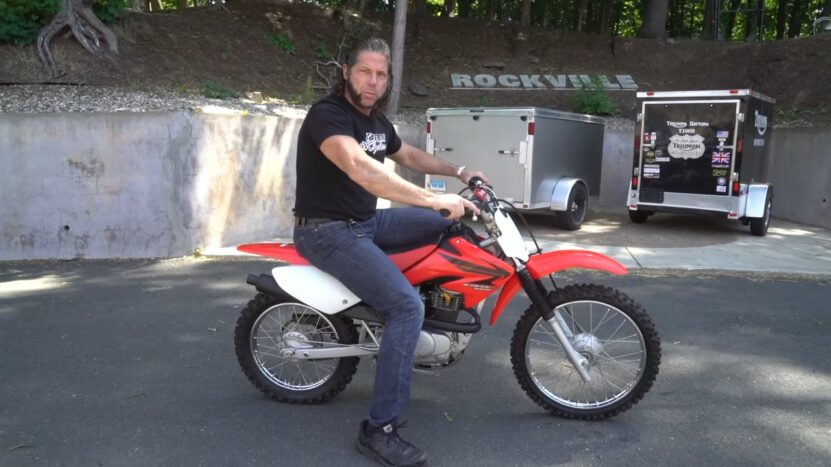
A 100cc dirt bike can sit in two different worlds. Some are mild trail bikes built for learning. Others are smaller race-style machines that can run much faster. For most riders, a more realistic range is about 45 to 60 mph.
Claims of 70 mph or more are possible only with certain setups, gearing and conditions. They should not be treated as the normal speed for every 100cc dirt bike.
At this size, acceleration starts to feel more serious. The bike can reach trail speed quickly, and mistakes with throttle or braking show up faster. That makes rider position and smooth inputs more important than they were on smaller bikes.
A 100cc dirt bike can work well for an intermediate youth rider or a smaller adult who wants a manageable bike. It is not automatically a race bike, and it should not be judged by top speed alone.
5. 110cc – 30 To 45mph
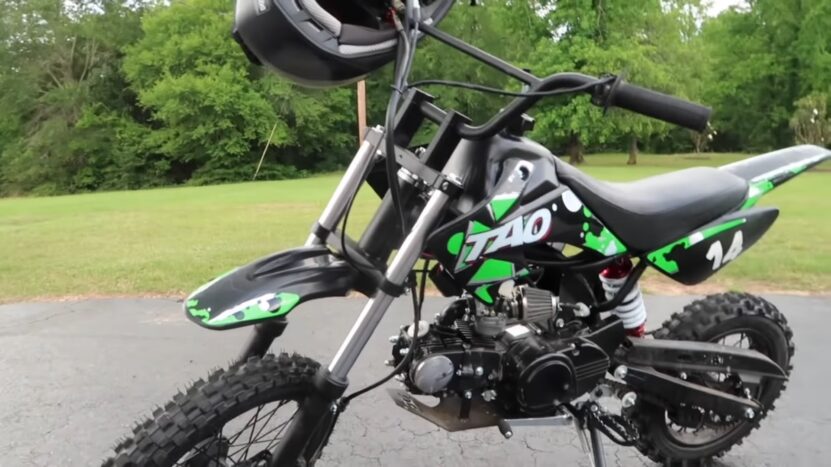
A 110cc dirt bike is usually more about easy riding than speed. Many popular 110cc models are pit bikes or beginner trail bikes, and most run around 30 to 45 mph depending on gearing, rider weight and engine condition.
Some modified 110cc bikes can go faster, but that is not the normal expectation for a stock beginner or pit-bike setup. Claims of 75 to 85 mph should be treated carefully unless the bike is heavily modified and tested in the right conditions.
The main advantage of a 110cc bike is that it gives a rider a bit more size and pull without jumping into a full race machine. Many models are approachable, fun and easier to handle at low speeds.
Before choosing one, make sure the rider can sit comfortably, reach the controls and wear the right safety gear. A good fit matters more than squeezing out a few extra miles per hour, especially when choosing what size dirt bike helmet and other protective equipment.
6. 125cc – 45 To 70mph
The 125cc class needs a careful explanation because a 125cc two-stroke motocross bike and a 125cc four-stroke trail bike are not the same kind of machine.
A mild 125cc four-stroke trail bike may run around 45 to 55 mph. A 125cc two-stroke motocross bike can reach around 65 to 75 mph with the right gearing and conditions. That is why a single number can give the wrong impression.
A Honda CRF125F, for example, is a user-friendly 125cc trail bike. A KTM 125 SX is a full motocross bike with a 124.8cc two-stroke engine and a 6-speed transmission. Those two bikes may share a similar displacement number, but they are built for different riders and very different use.
For beginners, a calmer 125cc four-stroke is usually easier to manage. For riders with track experience, a 125cc two-stroke can be quick, light and demanding in a completely different way.
7. 125cc 4-Stroke – 45 To 55mph
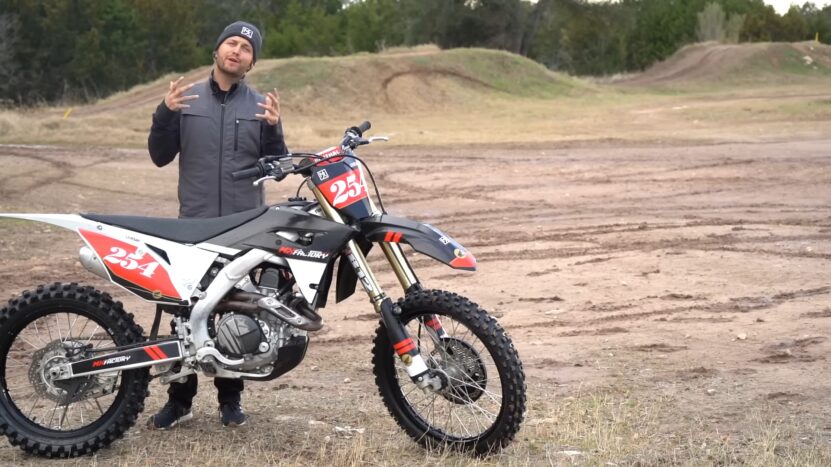
A 125cc four-stroke dirt bike is usually built for trail riding, skill building and smaller or newer riders. Many models top out around 45 to 55 mph, although gearing, rider weight and terrain can move that number up or down.
The appeal is not raw speed. The appeal is smoother power delivery. A four-stroke engine usually gives a more predictable throttle response than a high-strung two-stroke, which helps newer riders stay relaxed and in control.
A 125cc four-stroke dirt bike is still a two-wheeled off-road motorcycle, not a four-wheeled vehicle. It belongs on dirt tracks, trails, private land or approved off-road riding areas, depending on local rules.
Most 125cc trail bikes are not suitable for freeways and may not be street legal at all. Public roads have posted speed limits, registration rules and equipment requirements, so riders should check local laws before taking any dirt bike off private land or designated trails.
8. 150cc – 45 To 60mph
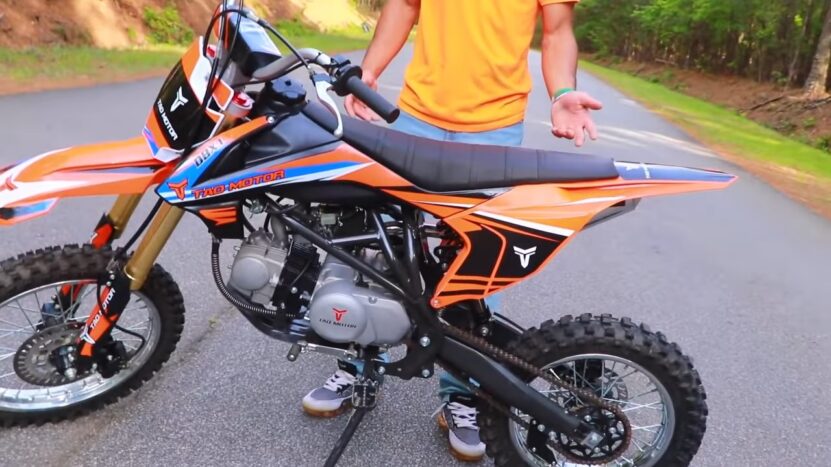
A 150cc dirt bike gives more pull than a 125cc trail bike without reaching the intensity of larger race bikes. Many 150cc models run around 45 to 60 mph, depending on engine type, gearing and rider weight.
On smooth ground, the bike can build speed comfortably. On mud, gravel, sand or uneven trails, the useful speed will be lower because the rider needs traction, balance and braking room.
The 150cc class can work well for riders who have outgrown smaller beginner bikes but do not want the weight or hit of a 250cc machine. It is a practical middle step for trail riding and skill development.
Speed should not be the only reason to choose a 150cc bike. Seat height, clutch feel, weight, suspension and riding area should all be checked before buying.
9. 200cc – 55 To 70mph
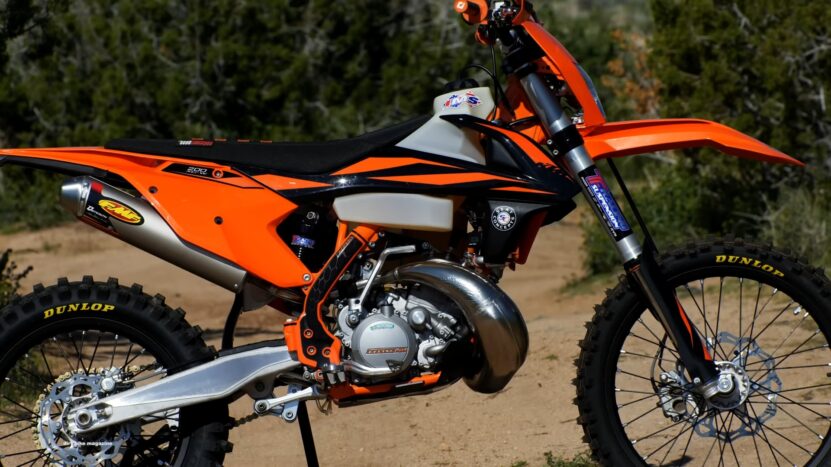
A 200cc dirt bike usually sits between lighter trail bikes and more serious full-size machines. Many models can reach around 55 to 70 mph, but the real benefit is torque and control on trails rather than pure top speed.
On mixed terrain, a 200cc bike can feel very useful. It may climb better than smaller bikes, pull out of slower corners more easily and carry an adult rider with less strain.
Flat ground is not where this class always looks most impressive. A 200cc bike can be more enjoyable on trails, hills and varied terrain, where the engine can work without feeling too heavy or too aggressive.
If you want a bike that feels capable without jumping straight to a 250cc or 450cc machine, the 200cc class is worth considering.
10. 250cc Dirt Bike – 70 To 85mph
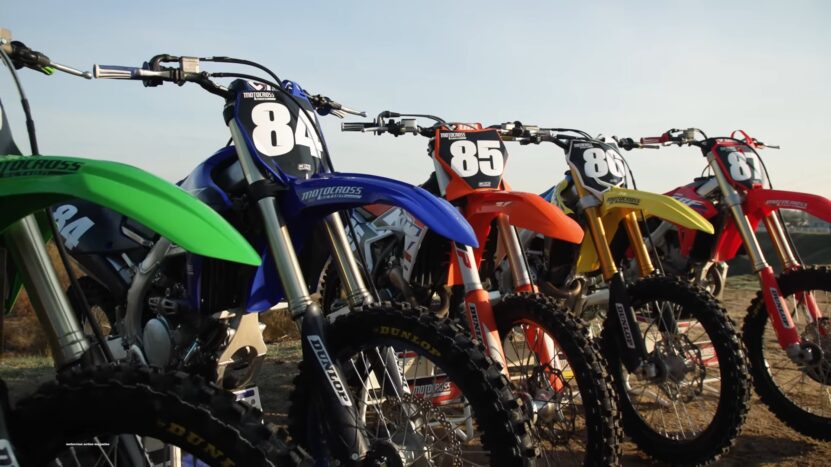
A 250cc dirt bike is one of the most common serious off-road classes. Many stock 250cc dirt bikes reach around 70 to 85 mph, depending on whether the bike is a two-stroke, four-stroke, motocross model, trail bike or enduro setup.
The old claim that a 250cc dirt bike normally runs 85 to 135 mph is too broad and misleading. A modified or road-geared bike may go higher than a stock trail or motocross setup, but most riders should not treat 135 mph as a normal dirt-bike speed.
A 250cc bike is popular because it can balance speed, weight and control. It has enough power for experienced trail riders and motocross riders, but it is still easier to handle than many 450cc and 500cc machines.
That is why 250cc bikes are common in off-road adventures. They can be quick, but they are still practical enough for trails, practice tracks and mixed terrain.
11. 400cc – 75 To 90mph
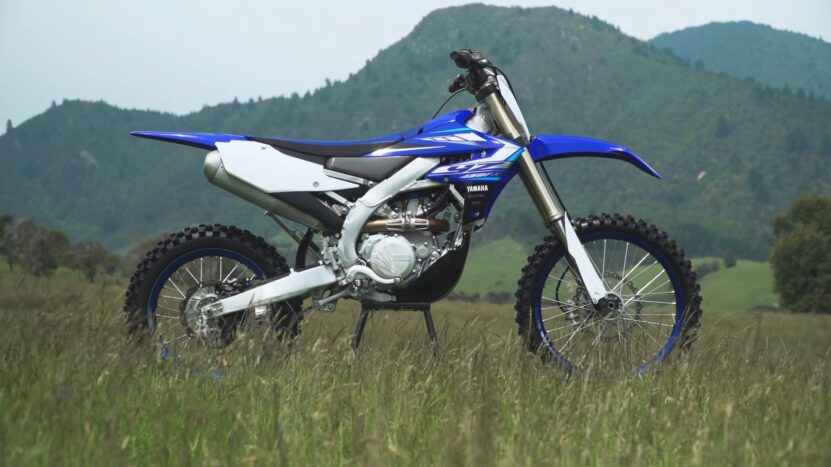
A 400cc dirt bike can reach roughly 75 to 90 mph on many setups, but the number depends heavily on gearing and the type of bike. A trail-focused 400cc bike may feel torquey and controllable rather than built for maximum speed.
The extra displacement usually helps with low-speed pull, hill climbs and carrying speed through rougher sections. That can make a 400cc bike feel easier in some open-trail situations than a smaller bike that needs to be revved harder.
A 400cc bike can still be demanding. It weighs more than smaller classes, and the engine can punish sloppy throttle use. New riders usually do better on a smaller machine before moving into this range.
For experienced riders, the 400cc class can be a useful middle ground between 250cc agility and 450cc-plus power.
12. 450cc – Around 80 To 95mph On Most Stock Setups
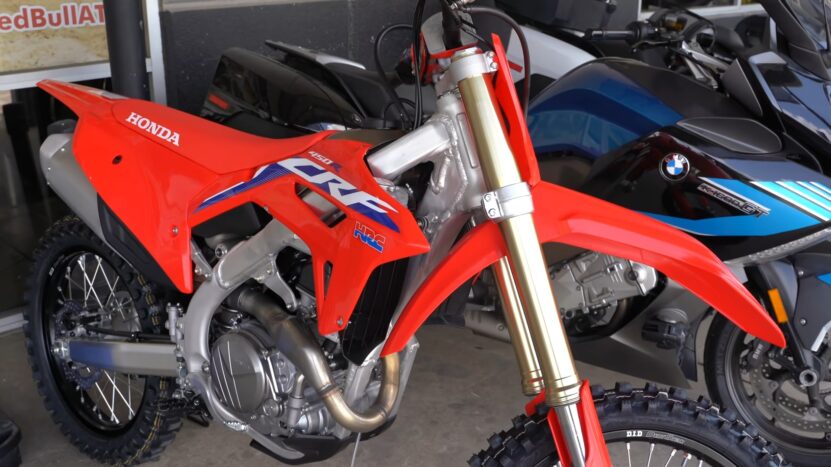
A 450cc dirt bike is usually built for hard acceleration, motocross tracks, open trails and aggressive off-road riding. It can feel faster than the top-speed number suggests because the power arrives quickly and the bike is light for the amount of engine it carries.
Most stock 450cc motocross bikes are not geared for maximum road speed. They are geared for drive out of corners, jumps, short straights and rough terrain. That is why a 450cc bike can feel extremely quick on a track even when its practical top speed is lower than the exaggerated 100 to 120 mph figures sometimes repeated online.
A realistic range for many 450cc dirt bikes is around 80 to 95 mph, depending on the model, gearing, rider weight, tires, surface and engine condition. Modified gearing or road-biased setups can push higher, but that should not be presented as the normal speed for every 450cc dirt bike.
Riders use lower gears on motocross tracks to keep traction, stay in the power band and control the bike through corners, ruts and jumps. The phrase “a gear smaller than first” is wrong. First gear is already the lowest normal riding gear.
The 450cc class is best for experienced riders. It offers more power than most casual trail riders need, but for motocross, open terrain and advanced off-road use, it remains one of the main performance classes.
13. 500cc – Around 90 To 105mph Depending On Setup
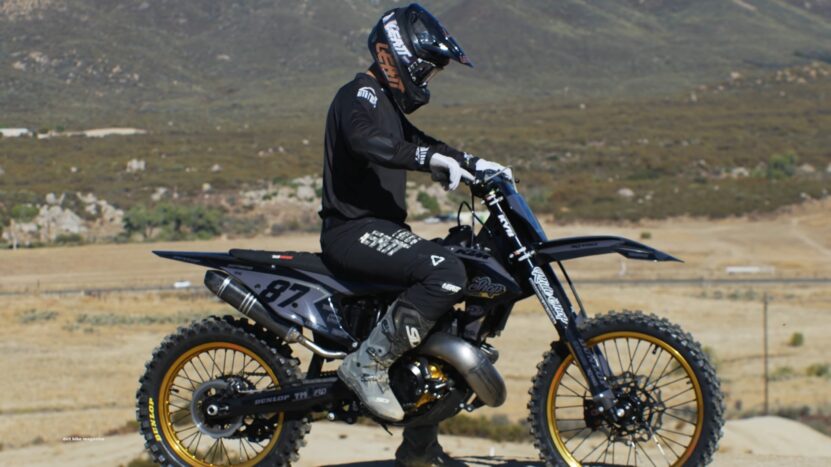
A 500cc dirt bike or enduro bike usually has more displacement than a 450cc motocross bike, but that does not mean it will always feel sharper or accelerate harder. The real speed depends on how the bike is built and geared.
Many 500cc machines are designed for enduro or dual-sport use rather than pure motocross. That means they may have wider gearing, smoother power delivery and more road or trail flexibility. A bike like the KTM 500 EXC-F uses a 510.9cc four-stroke engine and a 6-speed transmission, which gives it a different character from a 450cc motocross bike.
A realistic top-speed range for many 500cc dirt or enduro-style bikes is around 90 to 105 mph, with some modified or road-geared bikes going higher. On dirt, though, top speed is rarely the most useful number. Traction, gearing, suspension, braking and rider skill matter much more.
The 500cc class is better suited to experienced riders who want torque, open-terrain performance and enough power for longer off-road rides. It is not a beginner class, and it can be tiring or difficult to control for riders who are still learning throttle control.
Compared with a 450cc motocross bike, a 500cc bike may feel less explosive in some setups but more relaxed at speed. That is why 450cc should not be listed as automatically faster than 500cc. The better comparison is by model, gearing and purpose, not displacement alone.
What Affects Dirt Bike Top Speed?
While the engine size of a dirt bike plays a major role in speed, several other factors can change how fast the bike actually goes.
- Gearing: Sprocket size and transmission setup can make the same bike quicker off the line or faster at the top end.
- Terrain: Hard-packed ground usually allows more speed than sand, mud, loose gravel or rocky trails.
- Elevation: Higher elevation can reduce engine performance, especially on carbureted bikes, because the engine gets less oxygen.
- Rider Weight: A heavier rider or heavy gear load can reduce acceleration and top speed.
- Bike Weight: A lighter bike usually accelerates more easily, but heavier bikes can feel more settled in open terrain.
- Weight Distribution: Too much weight over the front or back can affect traction, steering and stability.
- Tires: Tire type, condition and pressure affect grip and rolling resistance.
- Engine Condition: A poorly maintained engine, dirty air filter, worn chain or bad jetting can reduce speed.
- Wind: Headwind can slow a dirt bike noticeably because the rider sits upright and creates drag.
Summary
Dirt bike speed varies widely because engine size is only one part of the story. A 50cc bike may run around 20 to 40 mph, while a 250cc bike may reach about 70 to 85 mph and larger 450cc or 500cc machines can move into the 90 mph range or beyond with the right setup.
The corrected comparison is simple: a 450cc motocross bike is usually built for explosive acceleration and track control, while a 500cc enduro or dual-sport bike may have wider gearing and a higher practical top speed on open ground. Neither class should be judged by displacement alone.
For beginners, control is more important than speed. Smaller bikes teach braking, balance, clutch use and throttle control without overwhelming the rider. For experienced riders, larger bikes offer more torque and speed, but also require better judgment, better fitness and more space.
Choose the dirt bike by rider size, skill level, terrain, maintenance needs and where it will actually be used. The fastest bike on paper is not always the best bike on dirt.